
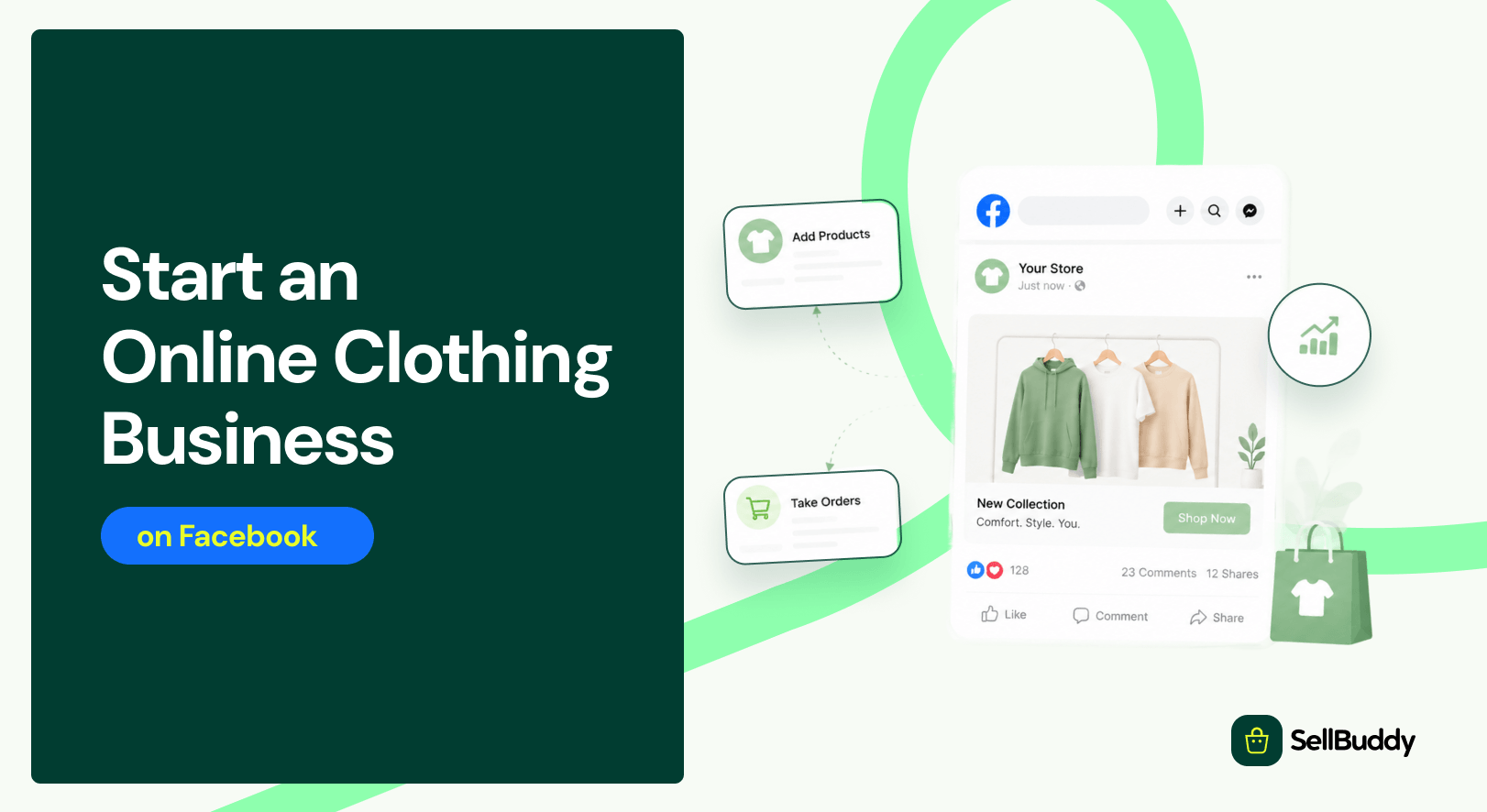
Want to sell clothes online but dread building a website? Here’s the good news. You don’t need one. Facebook hands you a free place to show your products, talk to buyers, and take orders. Sellers do this all over the world, from Dhaka to Lagos to São Paulo. And many of them turn it into a full-time income.
Here’s the short answer. To start a clothing business on Facebook, pick a clothing niche, open a business Page, post clear photos with prices, set up trusted payment options, and reply to buyers fast. After that, you turn your Page into a proper store so orders stop getting lost.
This guide walks you through every single step, with nothing skipped.
Grab a cup of tea. By the end, you will know exactly how to set up shop, land your first sale, and grow from there.
Why Facebook Works So Well for Clothing Sales
Let’s start with the obvious question. Why Facebook? Because your buyers already live there.
Almost 3 billion people open Facebook every month, according to Meta. That’s a huge crowd of shoppers in one spot. In Bangladesh alone, around 64 million people use Facebook, says DataReportal’s 2026 report. The story repeats across South Asia, Africa, the Middle East, and Latin America.
People don’t just scroll there. They buy there too. The E-commerce Association of Bangladesh counts more than 500,000 business pages on Facebook in the country, with roughly 200,000 to 250,000 run as active shops. So this is not some risky experiment. It’s a proven model that thousands of sellers already trust.
Clothing fits Facebook like a glove. Outfits look great in photos. People love to share style with friends. And fashion sells on impulse, which is exactly what a scrolling feed rewards. So if you want to sell clothes, you picked the right spot.
Pick a Clothing Niche You Can Win
Now for your first real decision. What will you sell? Don’t try to sell everything to everyone. A focused page beats a messy one every time.
Think about it like a shop in a mall. A store that sells only shoes feels like an expert. A stall stuffed with random items feels confusing. Buyers trust focus. So give them focus.
Look at These Popular Clothing Niches
- Modest wear such as abayas, hijabs, and long dresses
- Women’s fashion like kurtis, tops, sarees, and party wear
- Men’s clothing including shirts, panjabis, and casual fits
- Kids’ clothes for everyday wear and special days
- Sportswear and gym fits
- Handmade or local craft pieces
- Winter wear like sweaters, shawls, and jackets
Choose Your Niche With Three Simple Checks
Pick something you actually like. Passion keeps you going on slow days. Next, check if people want it. Search Facebook and look for active pages in that niche. Lots of pages mean real demand. Finally, think about supply. Can you get the stock easily and at a fair price? When all three line up, you found your winner.
Steps to Start Your Own Clothing Business on Facebook
So, we are at the main part of this article. Here are the steps you need to follow to get started-
- Research Your Market Before You Buy Stock
- Name Your Brand and Keep It Simple
- Open Your Facebook Business Page the Right Way
- Fill Out Your Page So Buyers Trust You
- Take Product Photos That Make People Stop Scrolling
- Write Product Posts That Answer Every Question
- Set Your Prices the Smart Way
- Pick Payment Methods Your Buyers Already Use
- Sort Out Delivery Before Your First Order
- Launch Your Store and Get Your First Sales
Research Your Market Before You Buy Stock
Don’t spend a single dollar on inventory yet. First, study the field. A little homework saves you from big losses later.
Visit five or six pages that sell what you plan to sell. Look closely. What do they charge? Which posts get the most likes and comments? What do buyers complain about in the comments? Those complaints are pure gold. They show you gaps you can fill.

Then check your prices against theirs. You don’t have to be the cheapest. Still, you should know where you stand. Maybe you compete on price. Maybe you win on quality, faster delivery, or warmer service. Find your edge and lean into it.
Name Your Brand and Keep It Simple
Your brand name is the first thing buyers see. So make it easy to say, easy to spell, and easy to remember.
Short names stick best. Avoid tricky spellings and random numbers. Test it out loud on a friend. If they can repeat it after hearing it once, you have a keeper. Also, check that the name is free on Facebook and any other app you might use later.

After the name, you need a logo. Don’t worry, you don’t need a designer. Free tools let you make a clean logo in minutes. Keep it simple, pick one or two colors, and use those same colors across your page. That small touch makes you look professional from day one.
Open Your Facebook Business Page the Right Way
Here’s a mistake many beginners make. They sell from their personal profile. Don’t do that. A business Page looks professional, and it gives you tools your profile simply can’t offer.
Set Up Your Page in a Few Steps
- Go to Facebook and choose the option to create a new Page.
- Type your brand name in the name field.
- Pick a category like “Clothing Store” or “Shopping & Retail.”
- Write a short bio that says what you sell and where you ship.
- Upload your logo as the profile picture.
- Add a clean cover photo that shows your products or your style.
- Hit publish, and your Page goes live.
The whole thing takes a few minutes. Better yet, it costs nothing. So there’s no reason to wait.
Fill Out Your Page So Buyers Trust You
A bare page scares people off. A complete page builds trust. So fill in every field you can.
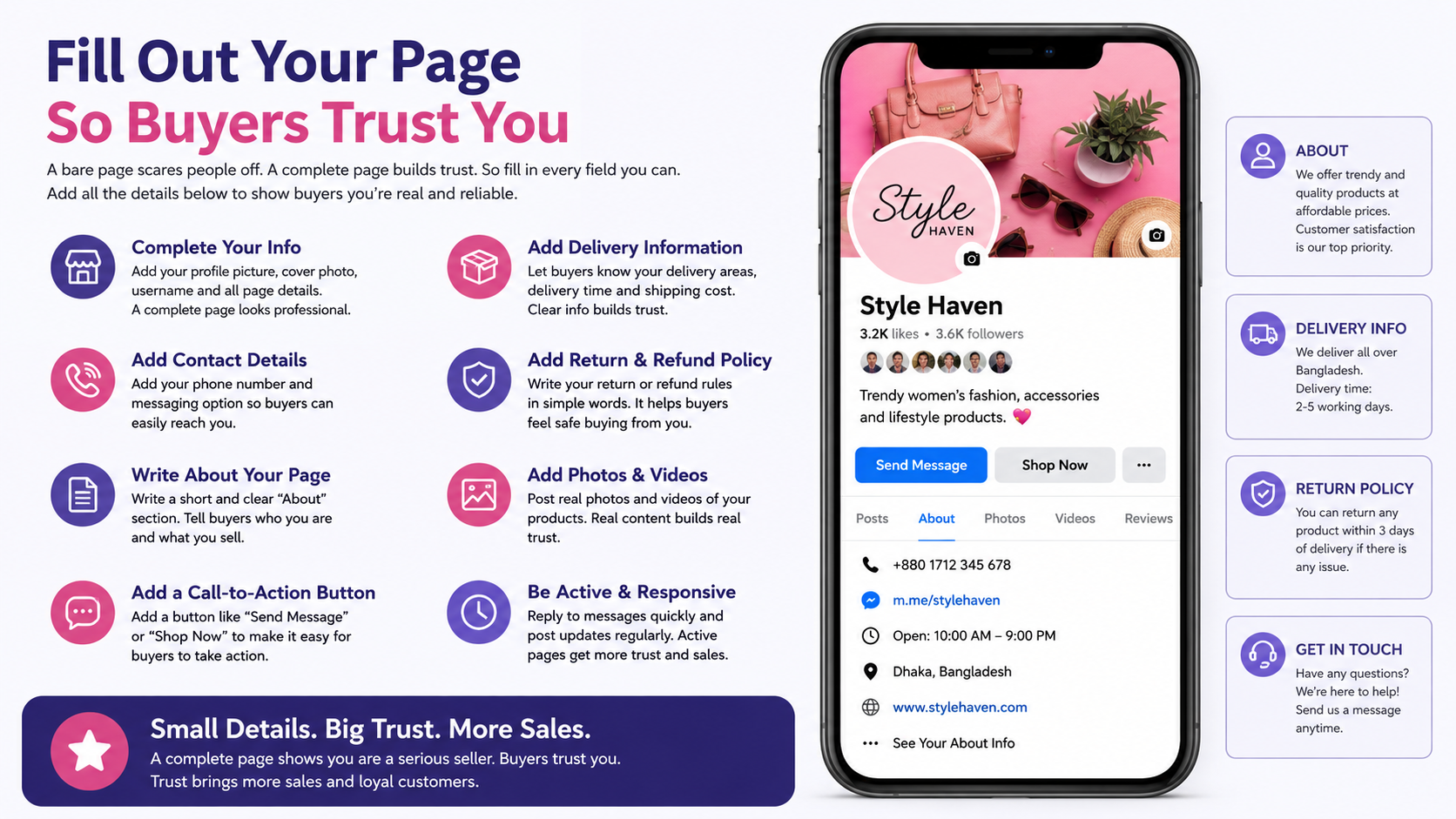
Add your contact number and a way to message you. Write a clear “About” section. Include your return rule and delivery info, even if it’s just a line or two. Then add a call-to-action button, like “Send Message” or “Shop Now.” These small details tell buyers you are a real seller who takes things seriously.
Take Product Photos That Make People Stop Scrolling
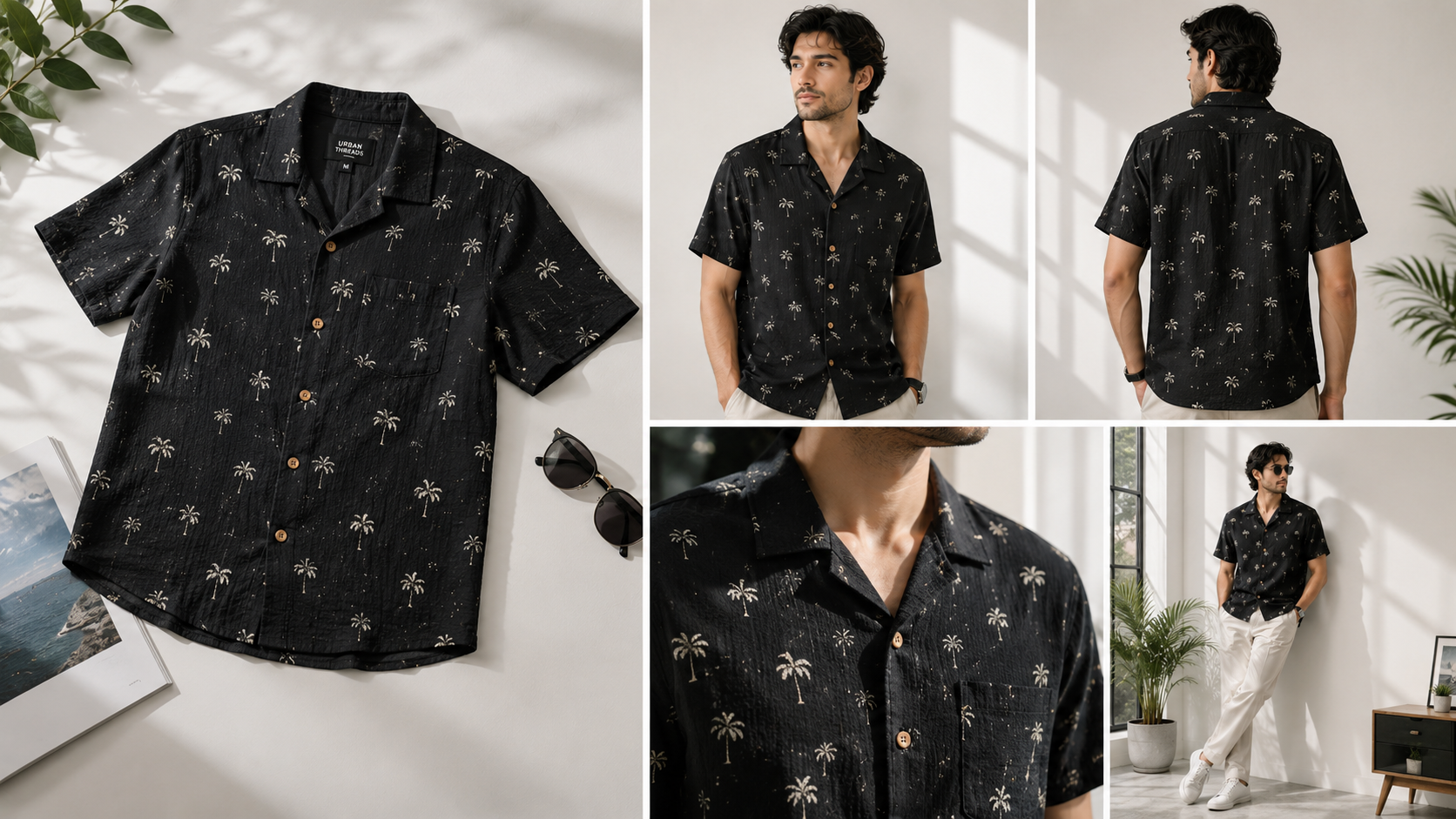
Your photos do the heavy lifting. Buyers can’t touch the fabric, so they judge with their eyes alone. Great photos sell. Blurry ones send people running.
Follow These Photo Tips
- Shoot near a window in soft, natural light.
- Keep the background plain and clean.
- Show the front, the back, and a close-up of the fabric.
- Include a photo on a real person when you can. It helps buyers picture the fit.
- Skip heavy filters. Buyers want the true color.
Your phone camera is plenty good for this. So you don’t need fancy gear. Just steady hands, good light, and a tidy background. That’s the whole recipe.
Write Product Posts That Answer Every Question
Picture this. A buyer sees a lovely dress, but the post says nothing else. So they comment “price?” and wait. Then ten more people do the same. Soon your day vanishes into repeat replies.
Avoid that trap. Put the full story right in the post. Include the price, the sizes, the colors, the fabric, and the delivery time. When buyers get every answer up front, they order instead of asking. Clear posts mean fewer messages and far more sales.
Also, write like a friend, not a robot. A warm line like “This one sells out fast, so grab yours soon” works wonders. People buy from sellers they like.
Set Your Prices the Smart Way
Pricing trips up a lot of new sellers. Price too high and buyers walk. Price too low and you lose money on every sale. So aim for the sweet spot.
Start with your costs. Add up the product cost, packaging, and delivery. Then add a fair profit on top. Many clothing sellers aim for a healthy markup so they still earn after discounts and returns. Check your competitors too, and make sure your price makes sense next to theirs.
One more tip. Round numbers feel honest, while odd prices can feel cheap. Test a few price points and watch what sells. The market will teach you fast.
Pick Payment Methods Your Buyers Already Use
People pay in different ways around the world. So offer a few options and let buyers choose the one they trust.
- Cash on delivery works great for nervous first-time buyers. They pay only when the package arrives.
- Bank transfers suit larger orders and repeat customers.
- Mobile wallets move money in seconds. In Bangladesh, bKash and Nagad lead the pack. Elsewhere, buyers might use PayPal, GCash, M-Pesa, or a local wallet.
Match the methods to your market. The easier you make payment, the more orders you close.
Sort Out Delivery Before Your First Order
Nothing breaks trust faster than a late package. So plan delivery before you ever make a sale.
Decide who ships your orders. A courier service usually beats personal drop-offs once sales grow. Know your delivery cost ahead of time, and decide whether you or the buyer pays it. Then tell each buyer when their order will arrive. Clear timelines keep people calm and coming back for more.
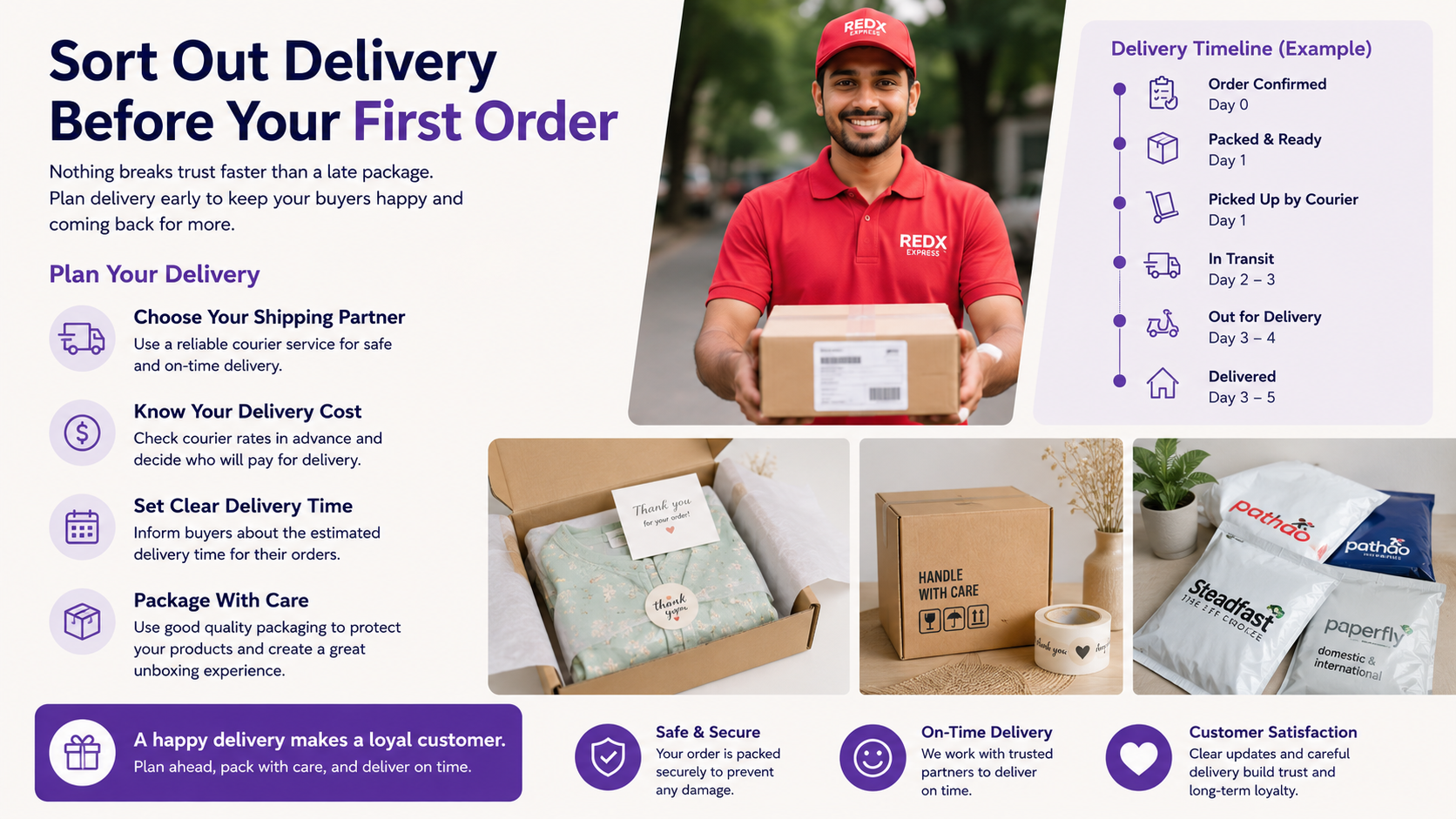
Pack your items with care too. A neat package feels like a gift, and it leaves a strong first impression. Little things like that earn repeat buyers.
Launch Your Store and Get Your First Sales
Done with setup? Time to open the doors. Don’t wait for everything to feel perfect. Aim for your first ten sales instead.
Share your store link with friends and family first. They are your warmest market. Next, post in local buy-and-sell groups where shoppers hang out. Then ask every happy buyer to share your page. Word of mouth spreads fast, and it costs you nothing.
Those first ten orders matter more than you think. They give you reviews, photos of real buyers, and the confidence to keep going. Small wins stack up quick.
Turn Your Facebook Page Into a Real Store
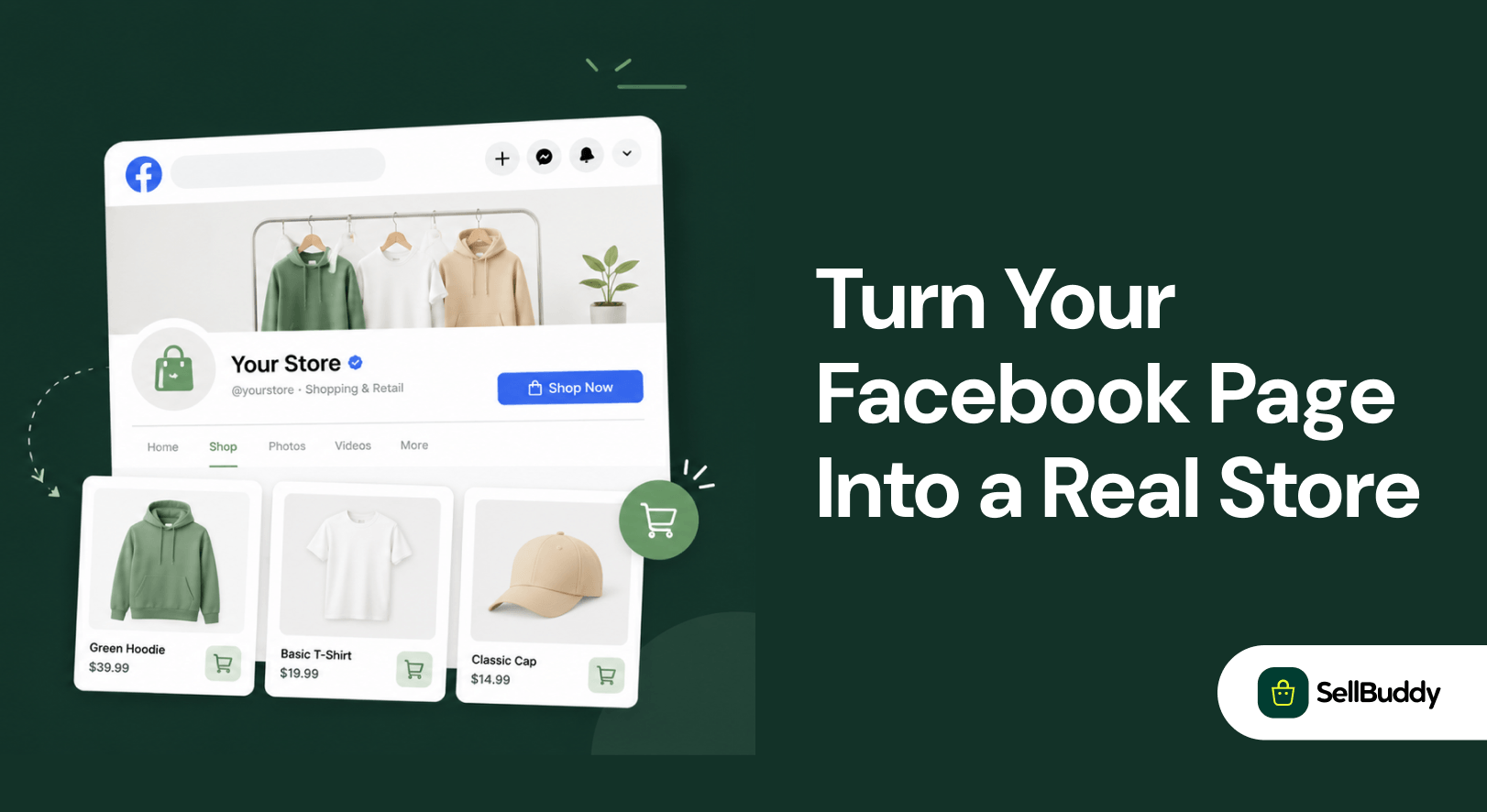
Here’s the catch with Facebook. A Page is brilliant for chatting, but it was never built for selling. Soon the messages pile up. Orders slip through the cracks. You forget who paid and who didn’t. And buyers get tired of asking the same questions over and over.
That’s where a simple store tool changes the game. A tool like SellBuddy turns your products into a clean store with one shareable link. Buyers browse your full catalog and place orders on their own, no back-and-forth needed. Meanwhile, you track every order from one screen on your phone.
The best part? You don’t need a website or a laptop. You keep selling on Facebook, Instagram, and WhatsApp, only now without the chaos. You also get local payment options and instant order alerts. So your shop runs smoothly while you focus on selling more clothes.
Think of it this way. Your Facebook Page is your storefront window. A store tool is the cash register, the shelves, and the order book all rolled into one. You need both to run a smooth shop.
Compare Your Selling Options
Still unsure which setup fits you? This quick table makes it clear.
| Setup | Best for | Product catalog | Order tracking | Cost |
|---|---|---|---|---|
| Personal profile | Casual, one-off sales | No | No | Free |
| Facebook business Page | Looking professional | Basic posts only | No | Free |
| Page plus a store tool like SellBuddy | Real selling and growth | Yes | Yes | Free to start |
The pattern is clear. A Page gets you online. A store tool gets you organized. Together, they help you sell more with less stress.
Market Your Clothing Business Without a Big Budget
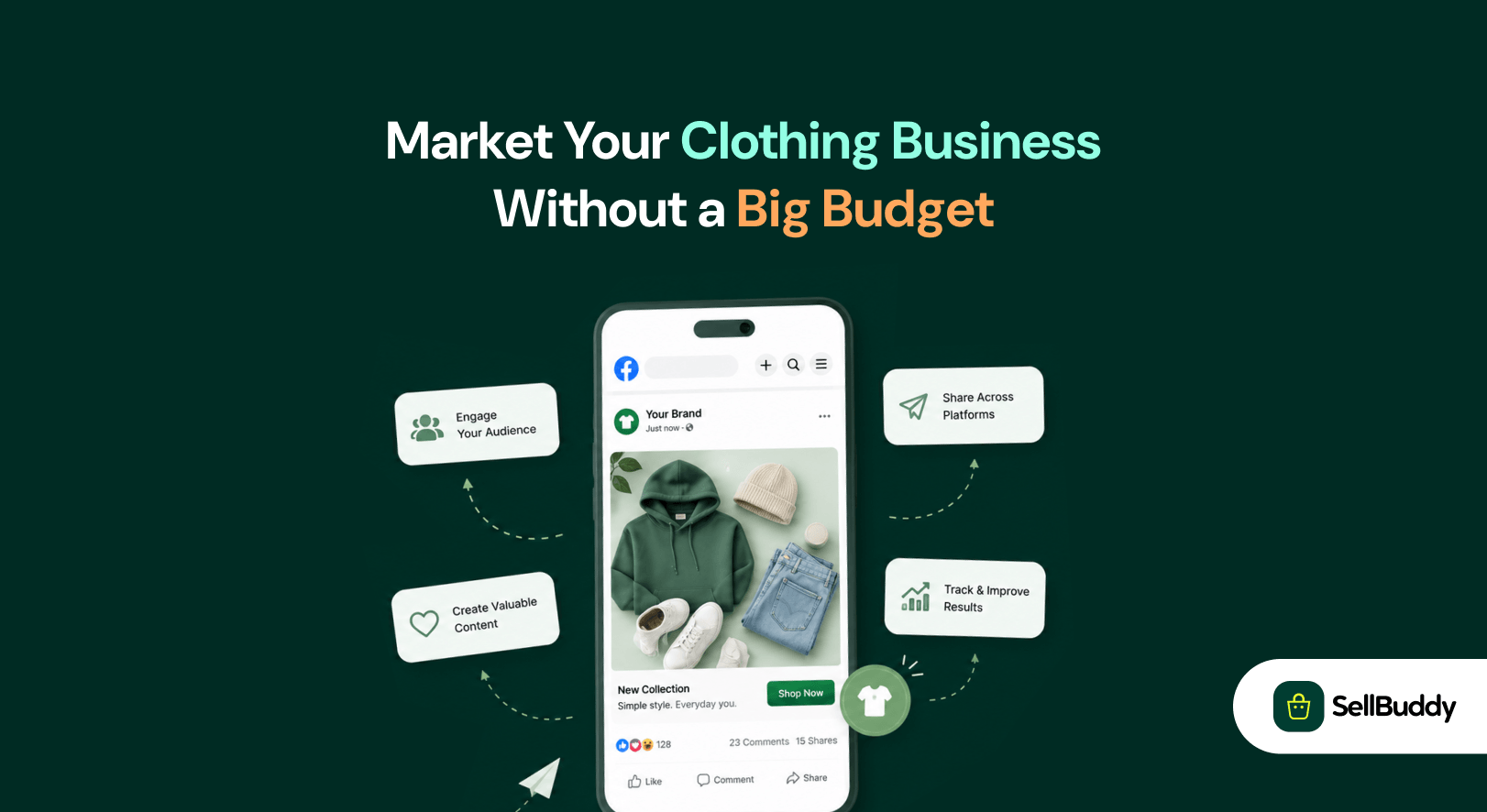
You don’t need deep pockets to grow. Smart, steady effort beats a fat ad budget. So here’s how to spread the word for little or no money.
Post Often and Post Smart
Show up in the feed every day. Mix it up. Share new arrivals, styling tips, behind-the-scenes shots, and happy buyer photos. Variety keeps people interested. Ask questions in your posts too, since comments push your page to more eyes.
Join the Right Groups
Find groups full of your ideal buyers. Then add real value before you ever drop a link. Answer questions. Share tips. Once people trust you, your sales follow naturally.
Try Small Ads When You’re Ready
Once you earn a little, test a small boost on your best post. Start with a tiny budget. Watch what works, then put more behind the winners. Slow and steady keeps your money safe.
Give Customer Service That Brings Buyers Back
Here’s a secret. Most clothing sellers compete on price. Smart ones compete on service. And service is where you can shine.
Reply fast. A buyer who waits an hour often buys elsewhere. Stay warm and polite, even with tricky customers. Solve problems without a fight. When a package arrives late, own it and make it right. People forgive mistakes, but they remember how you treated them.
Happy buyers become repeat buyers. Even better, they tell their friends. So good service is really free marketing in disguise.
Avoid These Common Beginner Mistakes
Want a head start? Skip the traps that trip up most new sellers.
- Selling from a personal profile. Use a business Page instead.
- Posting blurry photos. Clear pictures sell. Fuzzy ones don’t.
- Hiding the price. Always put it in the post.
- Ignoring messages for hours. Speed wins sales.
- Trying to sell everything. Pick a niche and own it.
- Promising fast delivery you can’t keep. Be honest about timing.
Dodge these, and you’re already ahead of most of your competition.
FAQs on Online Clothing Business Facebook
Do I need a website to sell clothes on Facebook?
No. A Facebook business Page plus a simple store link is plenty to start. You can think about a full website much later, if you ever need one at all.
How much money do I need to start a clothing business on Facebook?
Very little. You mainly need some stock and a phone. Many sellers begin with a handful of items and grow from their own profits. So you can start small and keep your risk low.
Is it safe to sell clothes on Facebook?
Yes, when you keep things clear. Post honest details, use trusted payment options, and write a simple return rule. Clear terms protect both you and your buyers.
How do I get my first customers?
Start with people who already know you. Tell friends, family, and group members. Then ask each happy buyer to share your page. Your own circle becomes your first market, and it grows from there.
How many products should I list when I start?
Start with five to ten strong items. A small, sharp collection looks focused and sells better than a huge, messy one. Add more as you learn what your buyers love.
Can I sell clothes on Facebook and Instagram at the same time?
Yes, and you should. Many buyers use both. A single store link lets you sell across Facebook, Instagram, and WhatsApp without extra work. So you reach more people with the same effort.
Start Your Clothing Business Today
Let’s wrap this up. You don’t need a big budget. You don’t need tech skills. You need clothes people want, photos that pop, clear posts, and quick, friendly replies. That’s the whole formula.
Grow From a Side Hustle Into a Real Brand. Your shop is running. Orders are coming in. So what’s next? Time to grow.
Track which items sell best and order more of those. Drop the ones that sit unsold. Then add new styles your buyers ask for. Build an email or contact list so you can tell loyal fans about fresh stock. Over time, your little side hustle can turn into a brand people love and recommend.
Keep your store organized as you scale. The bigger you get, the more a store tool earns its keep. It keeps your orders neat while your sales climb.
So get the ball rolling. Pick your niche. Set up your Page. Post your first item. Then share your link far and wide. Your next order could come from your very next message.
Want to give your shop a clean store link, a tidy catalog, and order tracking in one app? Try SellBuddy for free and start selling without the chaos.